




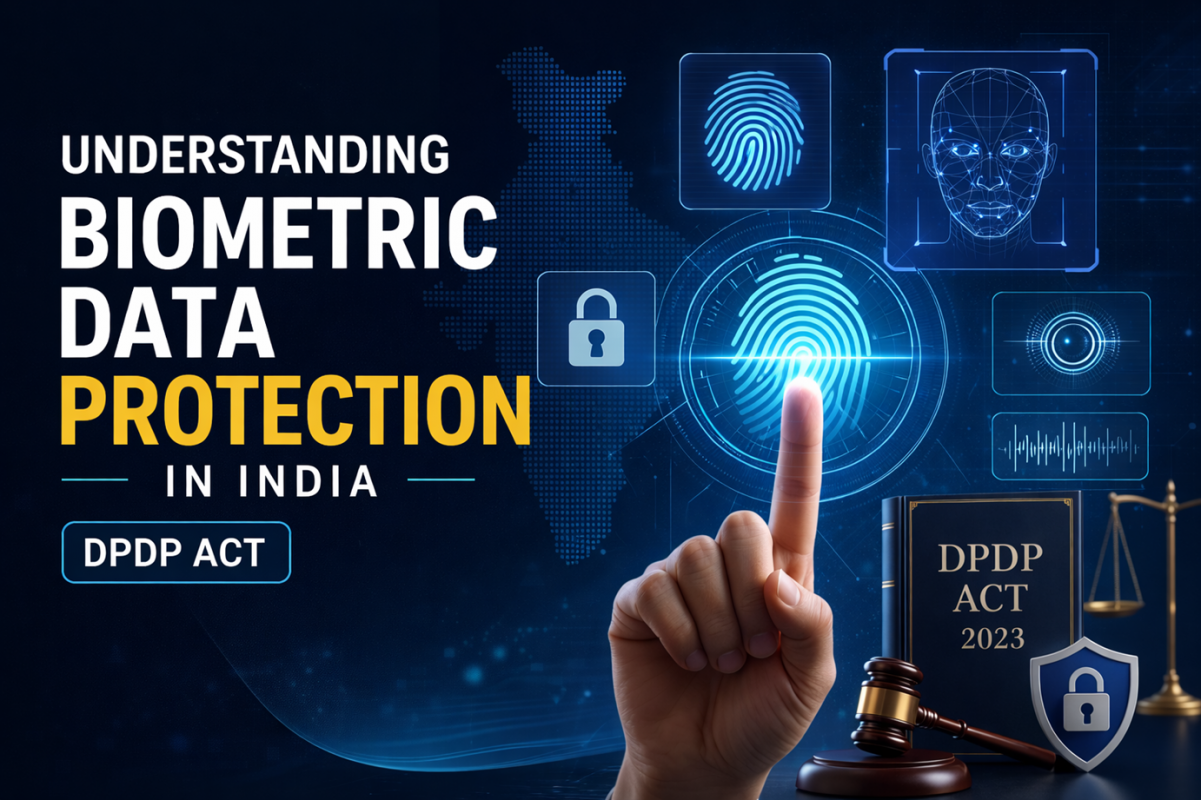
Your fingerprint and face are unique but what happens if that data is misused or leaked? Unlike passwords, biometric data cannot be changed, making its protection a serious concern in today’s technology-driven systems.
As organizations increasingly adopt biometric solutions for authentication, attendance, and security, safeguarding this sensitive data has become both a legal and ethical responsibility.
What is Biometric Data?
Biometric data refers to unique physical or behavioral characteristics used to identify individuals. Common examples include:
- Fingerprints
- Facial recognition data
- Iris scans
- Voice patterns
Because this data is permanent and uniquely tied to an individual, it is considered highly sensitive.
Why Biometric Data Protection Matters
Biometric data breaches can have long-term consequences. If compromised, individuals cannot simply “reset” their biometric identifiers.
Potential risks include:
- Identity theft
- Unauthorized access to systems
- Surveillance misuse
- Financial fraud
This makes robust legal protection essential.
Overview of the DPDP Act, 2023
India introduced the Digital Personal Data Protection Act, 2023 to regulate how personal data is collected, processed, and stored.
Key Objectives:
- Protect individual privacy
- Ensure responsible data processing
- Establish accountability for organizations
- Empower individuals with data rights
How the DPDP Act Applies to Biometric Data
Although biometric data is not separately categorized in extreme detail, it falls under personal data and is treated as highly sensitive in practice.
1. Consent is Mandatory
Organizations must obtain clear and informed consent before collecting biometric data.
Example: Employees must agree before using facial recognition attendance systems.
2. Purpose Limitation
Data should only be used for the purpose it was collected.
Example: Data collected for attendance cannot be reused for monitoring behavior without permission.
3. Data Minimization
Only necessary data should be collected—no excessive or unnecessary biometric capture.
4. Data Security Safeguards
Organizations must implement strong protections such as:
- Encryption
- Secure servers
- Restricted access controls
5. Data Retention Limits
Biometric data should be deleted once its purpose is fulfilled. Storing it indefinitely is not allowed.
Rights of Individuals (Data Principals)
Under the Digital Personal Data Protection Act, 2023, individuals have important rights:
- Right to access their data
- Right to correct inaccurate data
- Right to request deletion
- Right to withdraw consent
- Right to grievance redressal
These rights give individuals greater control over their personal information.
Responsibilities of Organizations (Data Fiduciaries)
Organizations handling biometric data must:
- Ensure legal compliance
- Protect data from breaches
- Inform authorities in case of incidents
- Appoint a Data Protection Officer (if required)
Non-compliance can lead to significant financial penalties.
Challenges in Biometric Data Protection
Despite regulations, several challenges exist:
- Limited awareness among users
- Weak implementation in smaller organizations
- Increasing cyber threats
- Growing use of AI-based surveillance
Best Practices for Businesses
To ensure compliance and build trust:
- Adopt privacy-by-design systems
- Conduct regular security audits
- Limit access to sensitive data
- Train employees on data protection practices
Conclusion
Biometric data offers convenience and efficiency, but it also comes with serious privacy risks. The Digital Personal Data Protection Act, 2023 provides a strong framework to address these concerns in India.
For organizations, protecting biometric data is not just about compliance it’s about responsibility and trust. For individuals, understanding your rights is the first step toward safeguarding your identity.




Comments
Loading comments...