

Two biometric technologies have shaped modern attendance and access systems. But once you look past the marketing, one of them is clearly built for where organisations are headed in 2026 and it isn't the one that requires touching a shared surface all day.
For over a decade, fingerprint scanners were the default answer to "how do we track attendance accurately?" They were an easy upgrade over paper registers. But by 2026, offices, schools, hospitals, and factories are rapidly replacing fingerprint devices with face recognition systems and for good reason. The shift comes down to two things: hygiene and accuracy, and face recognition wins decisively on both.
Hygiene: A Problem Face Recognition Simply Doesn't Have
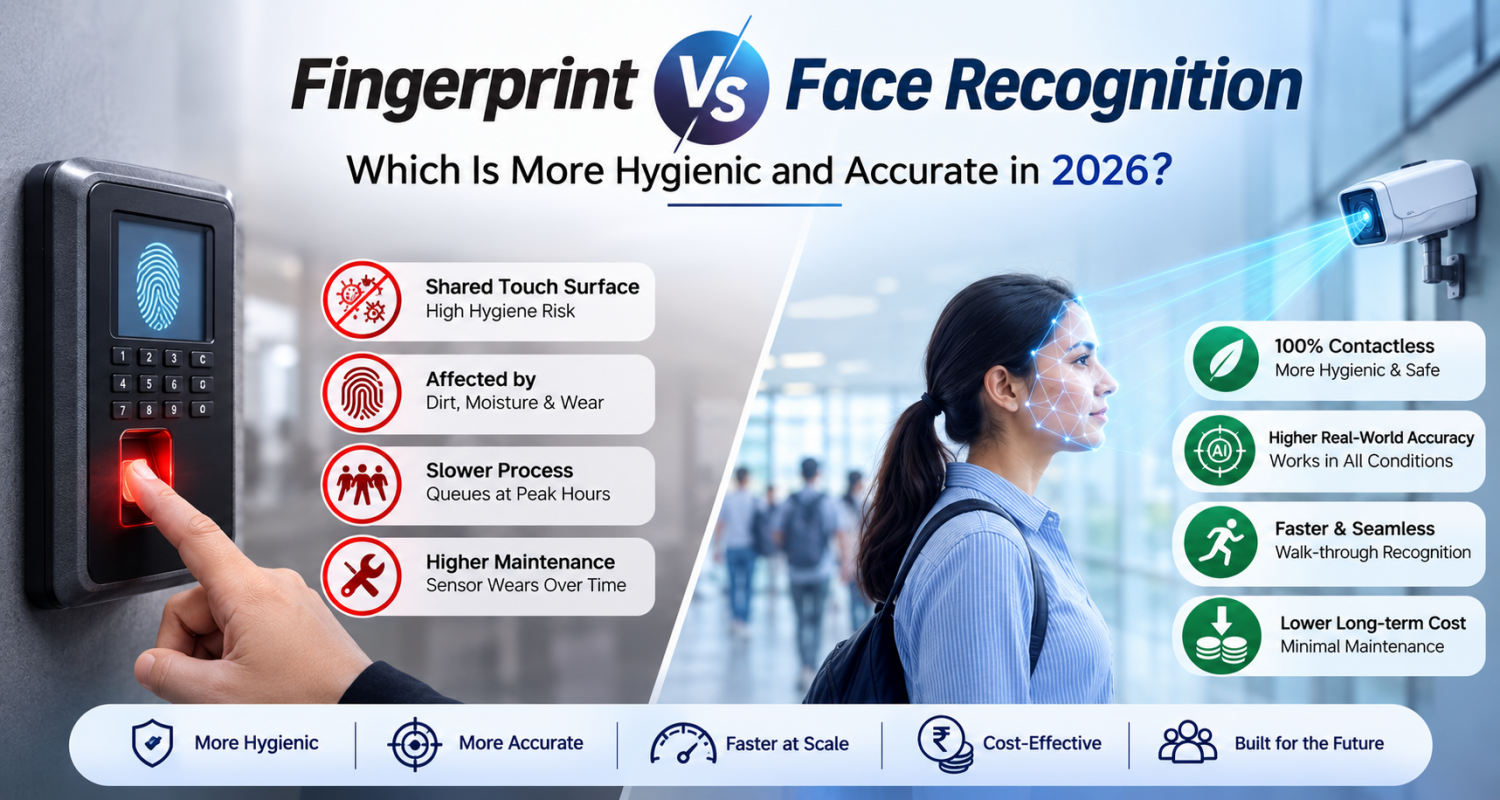
Fingerprint scanners require physical contact. Every employee, student, or visitor touches the same sensor often hundreds of touches accumulating on a single device by evening.
This became impossible to ignore after COVID-19. Shared touchpoints were identified as a real transmission risk, and the concern hasn't gone away flu season, norovirus outbreaks, and everyday workplace wellness all make shared touch surfaces a lingering liability.
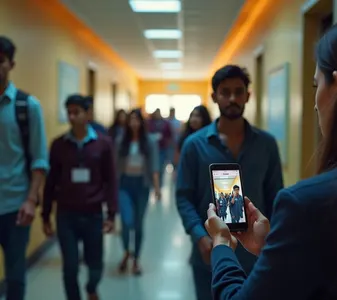
Face recognition removes the problem entirely. It's fully contactless a person simply walks past a camera or pauses briefly in front of one. No touching, no shared surface, no sanitization routine to maintain. In hospitals, schools, and food-processing facilities especially, this isn't a minor convenience it's a fundamental hygiene upgrade that fingerprint technology can't match, no matter how often the sensor is cleaned.
Verdict: Face recognition is the clear, decisive winner on hygiene.
Accuracy: Face Recognition Has Caught Up and Pulled Ahead
Fingerprint accuracy has always been at the mercy of physical conditions. Wet, dry, cracked, or worn fingerprints common in manual labor, construction, and factory environments frequently fail to scan, leading to repeated attempts, manual overrides, and frustrated queues. Dust, oil, and cold weather degrade reading accuracy further, and there's no real fix for it it's a structural limitation of the technology.
Face recognition, powered by modern AI, has moved past its early limitations. 2026-generation systems use deep learning models trained on far larger, more diverse datasets, combined with infrared and depth-sensing cameras, to hold accuracy across lighting conditions, minor appearance changes, and even partial obstructions like masks or glasses. Built-in liveness detection also closes the door on photo or video spoofing the one criticism fingerprint advocates used to lean on.
| Factor | Fingerprint | Face Recognition |
|---|---|---|
| Manual labor / worn skin | Often fails | Not affected |
| Wet/cold conditions | Degrades accuracy | Not affected |
| Low light | Not applicable | Handled well by modern IR-based systems |
| Speed at scale (queues) | Slower — one at a time, contact required | Faster — walkthrough detection, no queue |
| Spoofing risk | Fingerprint molds (rare, but possible) | Mitigated by liveness detection |
Verdict: Face recognition now leads on real-world accuracy especially for large groups, uncontrolled environments, and manual-labor settings where fingerprint scanners have always struggled.
Speed and Scale: No Contest
This is where the gap is most obvious in daily use. Fingerprint systems process people one at a time — each person stops, places a finger, waits for a read, and moves on. In an organisation with hundreds of people clocking in within the same 15-minute window, that's a bottleneck built into the hardware.
Face recognition, especially walkthrough-style systems, identifies people in motion no stopping, no queue, no waiting. For any organisation with more than a handful of people, this alone changes the daily experience of attendance from a chore into something invisible.
Cost: The Long-Term Picture Favors Face Recognition
Fingerprint devices are often cheaper to buy upfront. But total cost of ownership tells a different story: fingerprint sensors have moving, contact-based parts that wear out from constant physical use and need regular replacement. Camera-based face recognition systems have far fewer physical failure points, which means lower maintenance costs over the life of the system the kind of cost advantage that shows up over years, not just at checkout.
So Which One Wins?
In most environments, face recognition is now the stronger choice:
- Manual labor, factories, construction sites: Face recognition wins clearly worn or dirty hands are a non-issue for cameras, but a constant problem for fingerprint sensors.
- Hospitals, schools, food service: Face recognition wins decisively on hygiene alone.
- High-security environments: Face recognition paired with a secondary check gives the strongest verification available today.
- Very small teams with minimal budgets: Fingerprint can still get the job done, but it comes with the ongoing hygiene and maintenance trade-offs above.
The Bigger Trend
Contactless is no longer a premium feature it's becoming the baseline expectation. As AI models keep improving and camera hardware costs keep falling, face recognition is quickly becoming the standard for organisations that need hygiene, accuracy, and speed at scale, in 2026 and beyond.
Choosing a biometric attendance system isn't just about picking the newest technology it's about matching the system to your people and the conditions they work in every day. Increasingly, that match points to face recognition.
Ready to Make the Switch?
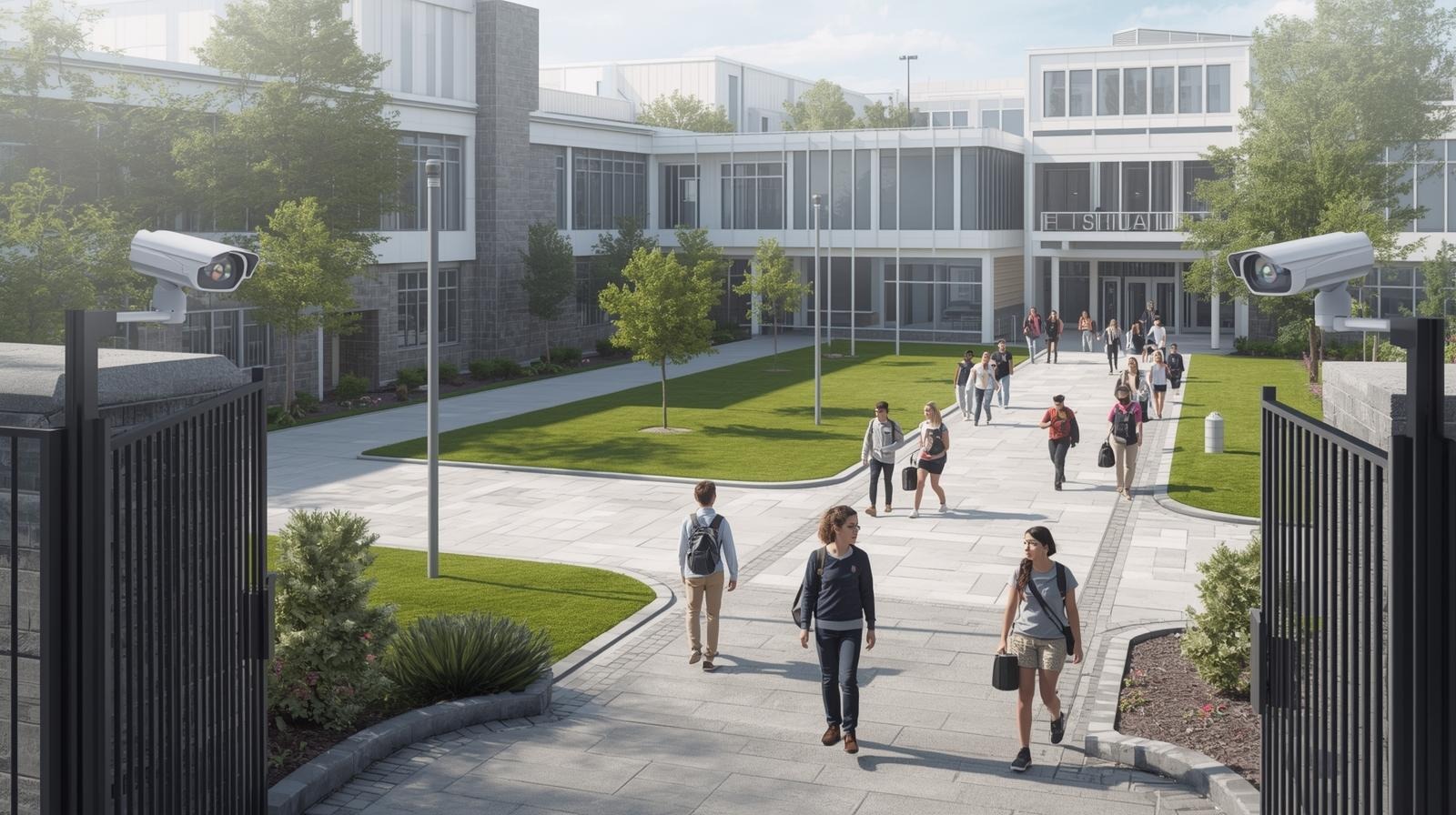
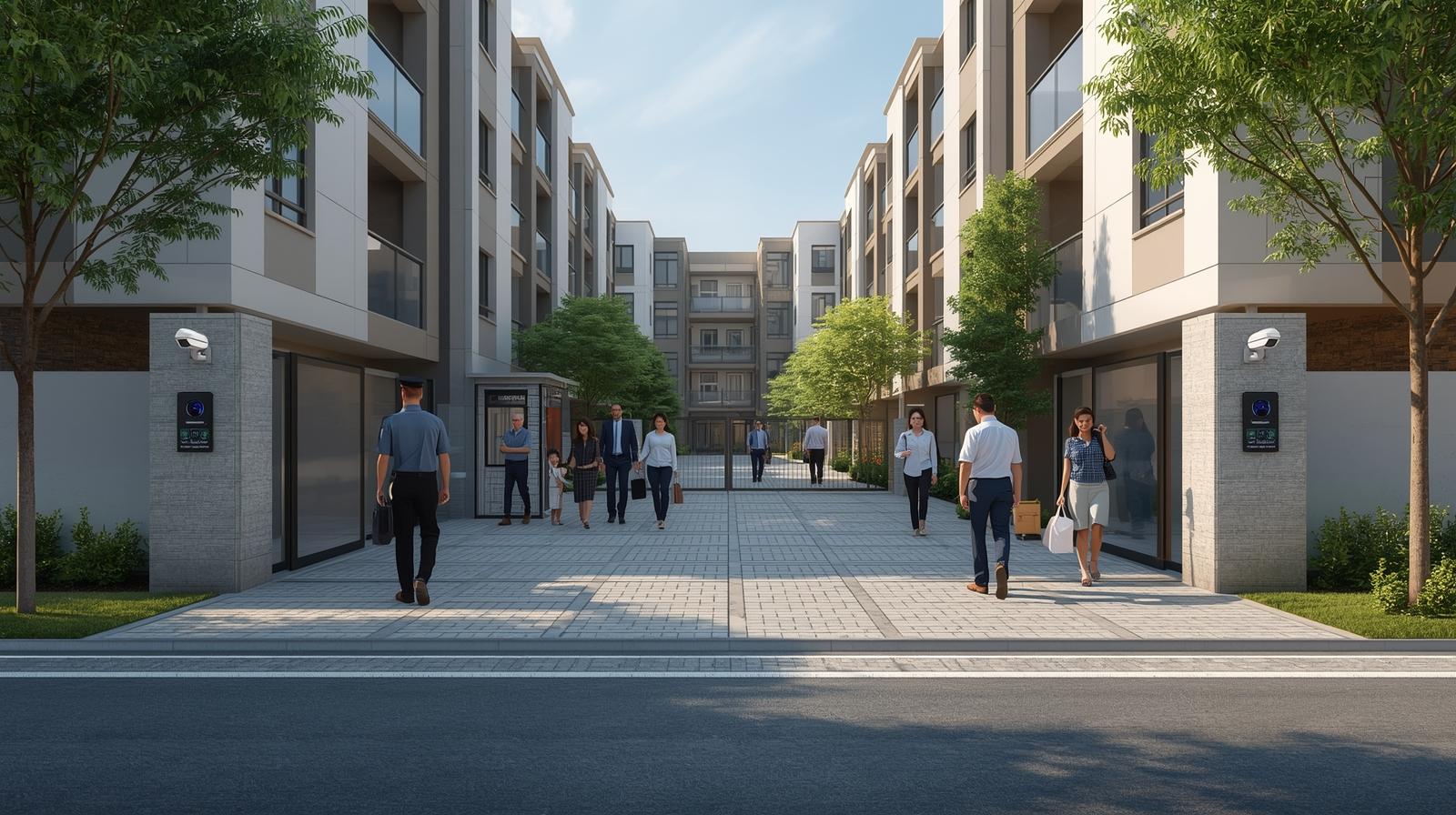
Attendify brings AI-powered, CCTV-based facial recognition attendance to institutions and workplaces alike no contact, no queues, and no accuracy drop-off from lighting, angles, or crowded spaces. Whether you're running a school, an office, or a factory floor, get in touch for a demo and see how it fits your environment.





Comments
Loading comments...